CD28を標的とする治療法の有効性および安全性を評価するためのCD28ヒト化マウスモデル
CD28を標的とする治療法
要旨
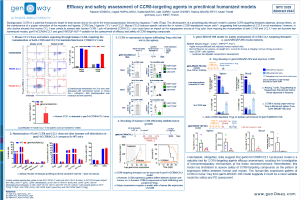
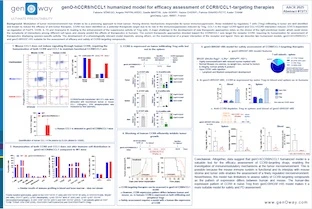
CD28を標的とするアゴニスト抗体は、がんに対して有効であることが実証されている一方で、その活性化によって引き起こされる重篤な有害事象により、課題にも直面している。 ヒト(hCD28)とマウス(mCD28)のCD28ではシグナル伝達反応が異なり、ヒトではTCRの結合がない状態での刺激により、CD28リガンドやスーパーアゴニストが炎症誘発性サイトカインの産生を誘導するが、マウスではそうならない。ヒトにおいてサイトカイン産生を増強すると考えられているCD28iアンプファイア型アイソフォームの発現は、マウスでは発現していないため、この違いを部分的に説明し得る。 さらに、hCD28とmCD28のシグナル伝達の違いは、細胞内ドメイン(ICD)における1つのアミノ酸置換に起因していることが示唆されている[1]。本稿では、CD28標的薬剤の評価を目的としたCD28ヒト化マウスモデルについて述べる。臨床応用性を高めるため、試験薬の生物学的効果を損なわないよう、標準型およびCD28iヒトアイソフォームの両方の発現を維持することにした。 ヒトのICDを維持することは、サイトカイン産生の評価、ひいては試験薬の安全性評価に有利であるものの、我々は、CD28とそのシグナル伝達パートナーとの適切な相互作用を可能にし、有効性試験においてCD28の生理的な刺激を可能にするため、マウスのICDを維持することにした。このhCD28モデルは、ヒトの細胞外ドメイン全体とマウスの細胞内ドメインからなるキメラタンパク質を発現する。 ヒトCD28はT細胞上で生理的レベルで発現しており、これらの細胞はhCD28リガンドやアゴニスト抗体に応答して活性化・増殖する。MC38-TAA大腸がんモデルにおいて、CD28-TAA二重特異性抗体と抗PD-1抗体の併用による予防的治療により、腫瘍増殖の抑制および完全な腫瘍退縮が達成された。 本研究の拡張および腫瘍フリーで生存した動物への再感染実験により、再感染させたhCD28マウスは、MC38-TAAを接種された未処置のhCD28マウスと比較して生存率が向上することが示され、腫瘍に対する免疫記憶が示唆された。 さらに、CD28マウスへのTGN1412投与は、サイトカインの放出とわずかな体重減少を誘発するが、体温に大きな変化は見られない。このモデルは、マウスのICDの存在により、活性化時にサイトカインを産生するヒトCD28の能力を完全に再現しているわけではないが、増幅型アイソフォームであるCD28iの発現が、TGN1412に対する反応に寄与している可能性がある。 総合的に見て、これらのデータは、hCD28モデルがCD28標的薬剤の有効性および安全性の評価を可能にすることを示唆している。hCD28モデルは、併用療法やCD3およびCD28の両方を標的とする二重特異性抗体の評価を可能にするため、CD3ヒト化モデルと交配された。
[1] Porciello N、Grazioli P、Campese AF、他。保存されていないアミノ酸変異体が、ヒトとマウスのCD28間のシグナル伝達の差異を調節している。Nat Commun 2018; 9:1-16





卓越した科学
モデル設計から実験結果まで
600件以上の科学論文で取り上げられています

協調的なアプローチ
大手製薬企業17社、
、170社以上のバイオテクノロジー企業、および380以上の学術機関との提携

カタログモデルに関する信頼性の高い検証データ
バイオ医薬品分野のパートナー企業および 社内リソースを用いて生成

革新的な技術
および実施の自由が保証される

モデルへの容易なアクセス
米国および欧州の専門ブリーダーから、健康状態が認定された個体